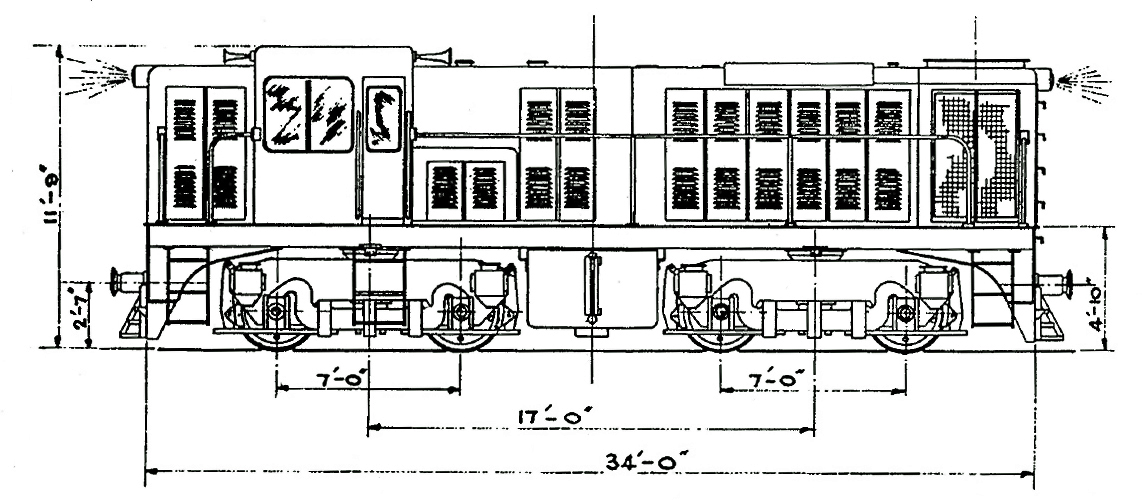
10 Class Diesel Hydraulic Locomotives
The Emu Bay Railway Company in Tasmania purchased a new diesel-hydraulic locomotive from England in 1953 with the intention of replacing steam locomotives. However, after a period of service on…

The Emu Bay Railway Company in Tasmania purchased a new diesel-hydraulic locomotive from England in 1953 with the intention of replacing steam locomotives. However, after a period of service on…
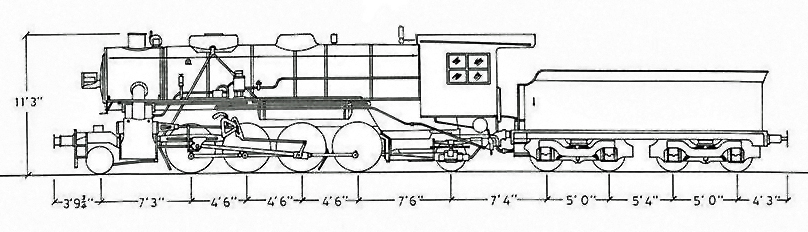
War in the Pacific caused unprecedented increases in traffic on Queensland Railways. This triggered a severe shortage of locomotives and rollingstock. In late 1941, Queensland appealed to the Commonwealth authorities…
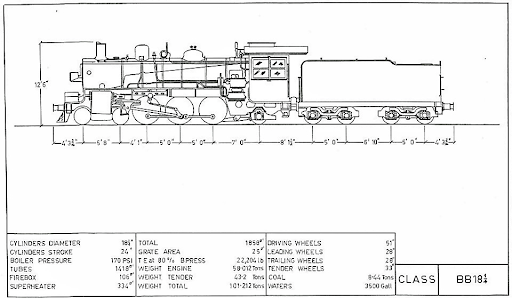
The railways were in a run-down state after World War 2 due to deferred maintenance and many locomotives and items of rollingstock, that would have otherwise been retired, had been…
Herbert William Garratt (1864-1913), Inspecting Engineer for the New South Wales Government, brought to Beyer, Peacock the basic principle of locomotive articulation, which has since borne his name. The drawing…
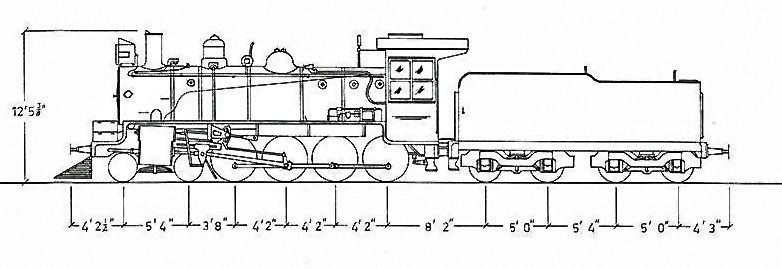
These versatile engines were a superheated version of the earlier built C16s. The class eventually contained more engines and was built over a longer period than any other type on…
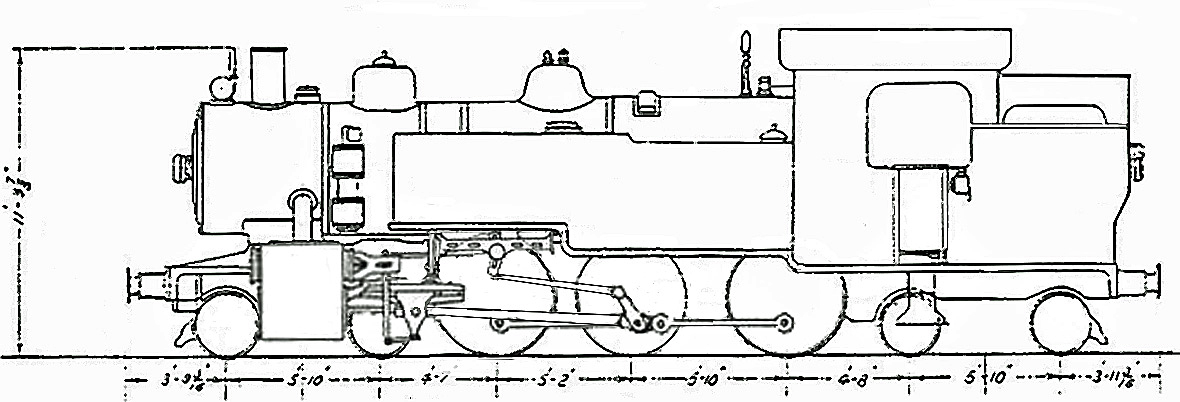
These tank engines were designed at the end of World War 2 to cater for growing Brisbane suburban traffic. They were an improved version of the earlier D17 Class incorporating…